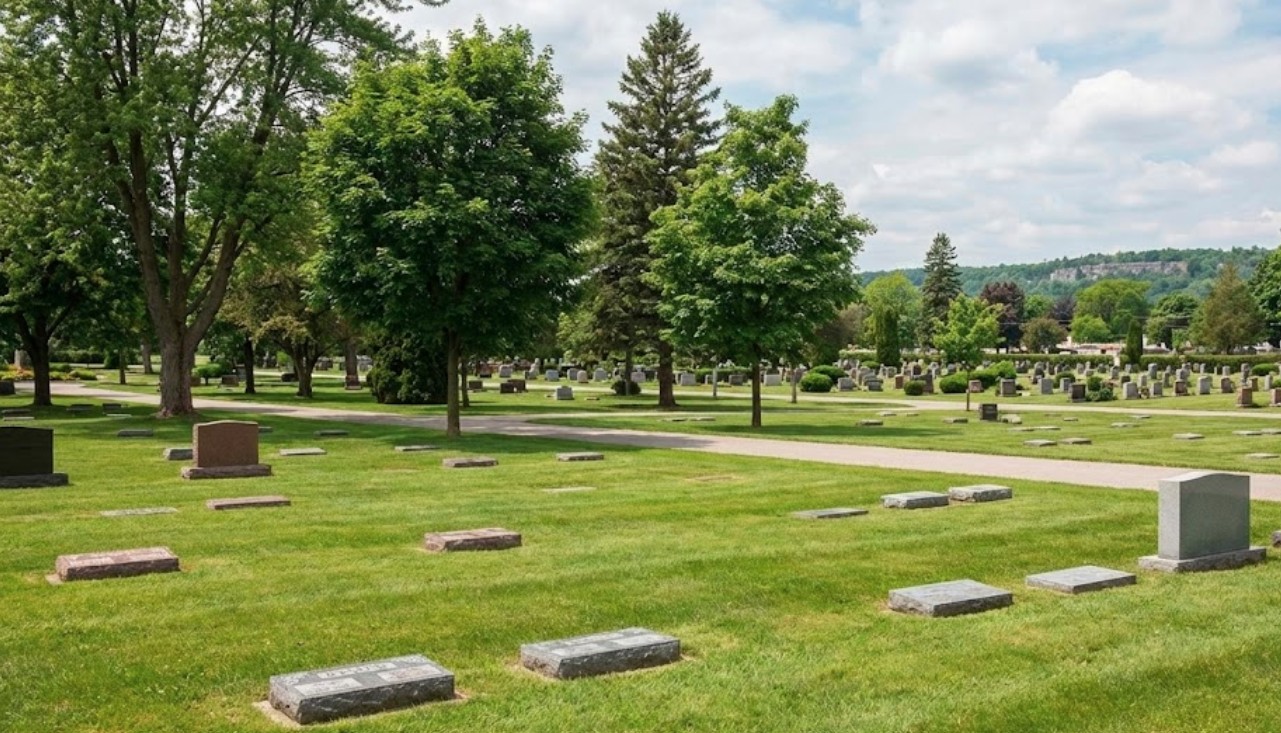
For many Canadians, the idea of buying property they won’t use for decades feels strange. Yet, securing a cemetery plot in advance is one of the most practical acts of pre-planning you can undertake. It relieves your family of an expensive and emotional decision during a time of crisis and ensures your final resting place is one you would have chosen for yourself.
Buying a plot is a real estate transaction, but with its own unique set of rules. Before you start visiting cemeteries, here is what you need to know.
1. It’s Not Just a Piece of Land: Understanding Costs
When you see a price for a cemetery plot, it often does not include everything required for a burial. The total cost typically has three parts:
- The Interment Rights: This is the cost of the plot itself. You are technically not buying the land; you are buying the “right” to be buried in that specific spot.
- Opening and Closing Fees: This is the service charge for the cemetery staff to dig and later fill the grave at the time of need. This is often paid at the time of death, not when you buy the plot, so keep this future cost in mind.
- Care and Maintenance Fund (Perpetual Care): In most Canadian provinces, a portion of the plot’s price (often 15-20%) must be placed into a government-regulated trust fund. The interest from this fund pays to cut the grass and maintain the grounds forever. This ensures the cemetery doesn’t fall into disrepair years from now.
2. Types of Plots Available
Not all plots are created equal. Your choice will depend on your budget and your preferences.
- Single Grave: The most common option, designed for one casket.
- Double-Depth Grave: A single space that is dug deeper to accommodate two caskets, one on top of the other. This is often a more affordable option for couples than buying two side-by-side plots.
- Cremation Plot: A smaller, less expensive plot specifically designed to hold one or more urns. Many cemeteries also offer a “columbarium,” a wall with niches for urns, which is an above-ground alternative.
- Family Estate: A larger section of land purchased to accommodate multiple family members over generations, often marked with a single large monument.
3. Location, Location, Location
Just like regular real estate, location drives the price.
- Urban vs. Rural: A plot in a historic cemetery in downtown Toronto or Vancouver will cost significantly more than one in a small rural town.
- Within the Cemetery: Plots near roads, under large trees, or in newer undeveloped sections may be priced differently. A plot with a nice view or in a prestigious older section will command a premium.
4. The Rules of the Monument
Before you buy a plot, ask about the “monument regulations” for that specific section.
- Flat Markers Only: Some cemetery sections, often called “memorial parks,” only allow flat bronze or granite markers that are flush with the ground for easier lawn maintenance.
- Upright Monuments: Other sections allow for traditional upright headstones.
- Size & Material Limits: There will be strict rules on how wide, tall, and what material your headstone can be. Ensure the plot you buy allows for the type of memorial you want.
5. Can I Sell It Later?
This is a very common question. Life happens—you might move or change your mind about burial.
- Transferability: Most cemetery by-laws allow you to transfer or sell your interment rights either back to the cemetery or to a private individual.
- Selling Back to the Cemetery: Cemeteries are often required to buy the plot back from you, but they may not pay the current market rate. They will typically refund the original purchase price, less the Care and Maintenance contribution and an administration fee.
- Private Sale: You can often sell the plot privately for a profit, but the transfer must be officially registered with the cemetery, and a fee will apply.
Summary
Buying a cemetery plot is a significant purchase that requires careful thought. Don’t be afraid to visit multiple cemeteries, ask for their full price lists (including opening/closing fees), and read the fine print of their by-laws before signing a contract. A little research now can provide tremendous peace of mind for the future.
Leave a Reply