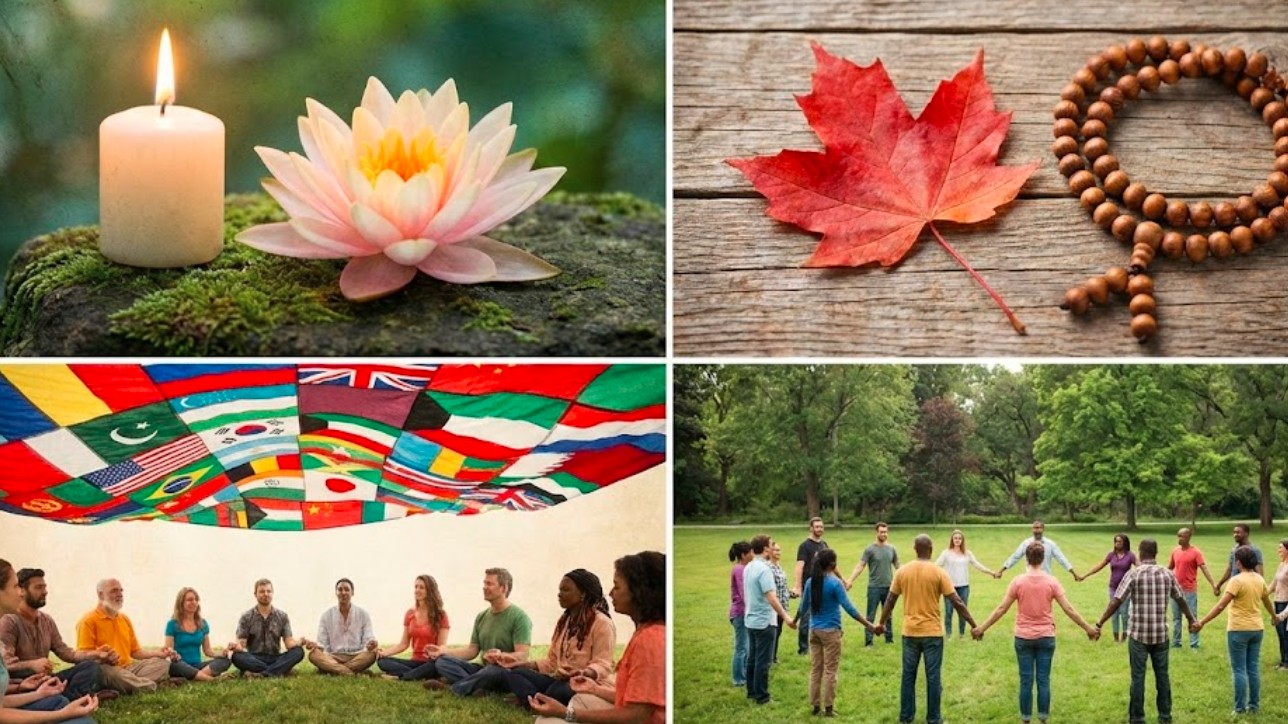
Ontario is one of Canada’s most diverse provinces, home to vibrant communities from around the world. From Toronto’s bustling Chinatown to Hamilton’s Italian neighborhoods and Ottawa’s Indigenous heritage sites, this diversity extends to how we say goodbye to our loved ones. Planning a funeral that respects cultural, religious, or ethnic traditions isn’t just about preference—it’s about providing comfort and closure in a way that feels authentic.
If you’re navigating a multicultural funeral in Ontario, here’s a guide to common practices, where to find support, and how to blend traditions seamlessly.
- Indigenous Traditions: Respecting the Land and Spirit Ontario’s First Nations, Métis, and Inuit communities often emphasize a connection to the earth and ancestors. Ceremonies might include smudging with sage, drumming circles, or feasts to honor the deceased’s journey to the spirit world.
- Key Considerations: Many families prefer natural burial grounds or cremation with ashes scattered on ancestral lands (with permissions). In urban areas like Thunder Bay or Sudbury, look for funeral homes that partner with Indigenous elders for guidance.
- Legal Note: Ontario law allows for traditional practices, but scattering ashes requires landowner approval—avoid provincial parks without a permit.
- South Asian Customs: Hindu, Sikh, and Muslim Rites With large communities in the GTA (Greater Toronto Area) and Peel Region, South Asian funerals often happen quickly—within 24-48 hours for Muslims, or after cremation for Hindus and Sikhs.
- Hindu/Sikh: Cremation is standard, followed by immersion of ashes in flowing water (like the Humber River, with environmental guidelines). Services include chanting, floral garlands, and a communal meal.
- Muslim: Burial (no cremation) in a simple shroud, facing Mecca. Dedicated Muslim sections exist in cemeteries like Meadowvale in Mississauga or Pine Ridge in Pickering.
- Tip: Funeral homes in Brampton or Scarborough often specialize in these, offering 24/7 availability and ritual washing facilities.
- East Asian Influences: Chinese, Korean, and Japanese Elements In cities like Markham or Richmond Hill, funerals might incorporate Confucian values of filial piety, with elaborate wakes, paper offerings, or ancestral altars.
- Common Practices: Cremation is prevalent, with urns placed in columbaria. Feng shui consultations for grave placement are popular, and “lucky” dates are chosen using lunar calendars.
- Unique Ontario Twist: Many families blend traditions, like holding a Buddhist ceremony in a Toronto temple followed by a Christian graveside service.
- European and Caribbean Blends: Catholic, Orthodox, and Rastafarian Ontario’s European roots mean Catholic masses with rosaries and vigils are common in places like Hamilton’s Italian community. Orthodox Greeks in Toronto might include icon veneration and koliva (wheat berry) distributions.
- Caribbean Influences: In areas like Jane-Finch, vibrant wakes with music, storytelling, and nine-night vigils honor Afro-Caribbean roots, often with homegoing celebrations rather than somber events.
- Adaptation: Winter weather can shift outdoor elements indoors, so choose venues with flexible spaces.
- Blending Traditions in a Multicultural Family Modern Ontario families are often mixed—think a Catholic-Islamic interfaith couple. Funeral directors can help hybridize services, like combining a eulogy with a Quranic reading.
- Resources: The Bereavement Authority of Ontario (BAO) provides guidelines, and multicultural hospices in Toronto offer counseling tailored to diverse needs.
Summary Ontario’s multicultural fabric enriches our approach to end-of-life care, turning funerals into celebrations of heritage and unity. By choosing providers who understand these nuances, you ensure the service reflects the deceased’s life story while supporting grieving loved ones from all backgrounds.
Leave a Reply