Funeral Preplanning in Canada: What to Decide Now, What to Pay Later
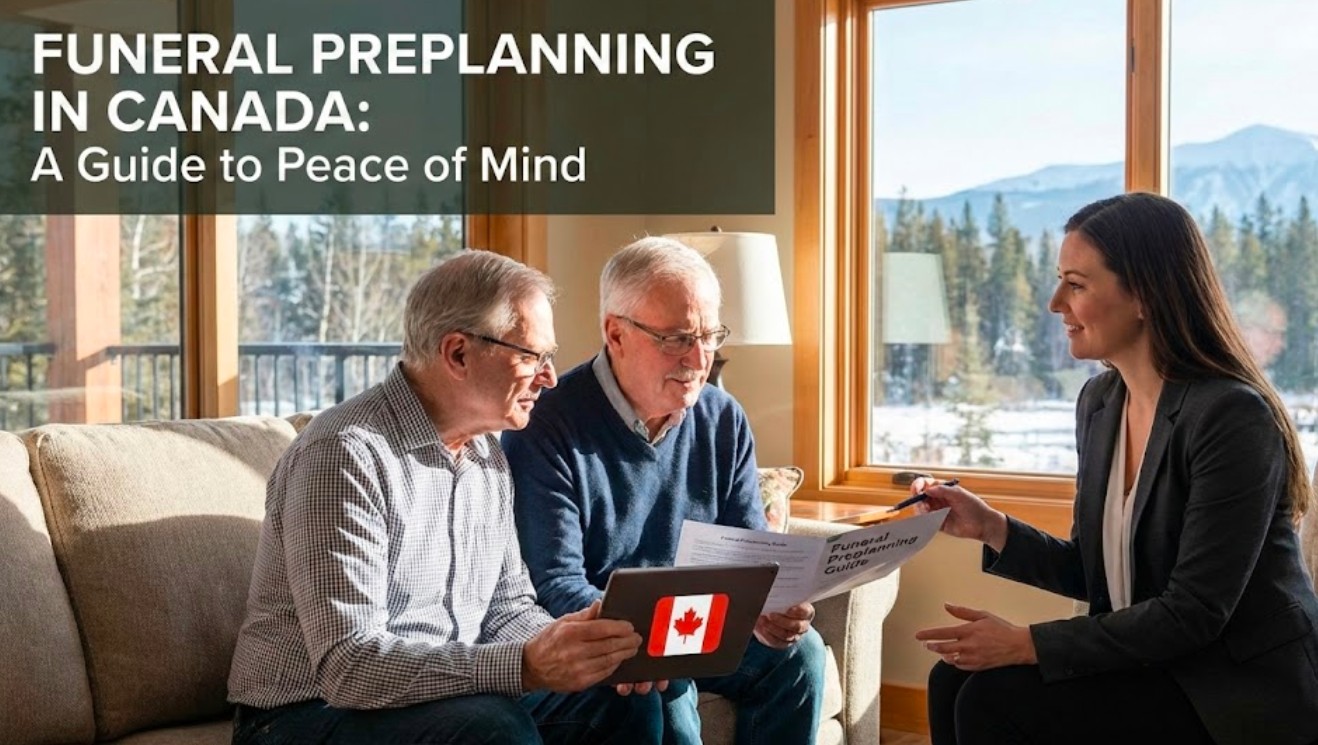
Funeral Pre Planning
Preplanning is writing down what you want. Prepaying is sending money now. Canadians mix the two up, and sales language does not help.
You can walk into a licensed funeral home, record every wish, and pay nothing today. That conversation still saves a family from guessing music, burial versus cremation, and who should speak while they are in shock.
Pay only when you understand what the contract actually guarantees.
What preplanning actually does
It removes decisions from the worst week of someone else’s life.
A written plan tells the executor:
- burial, flame cremation, or hydrolysis (where it is legal)
- visitation or no visitation
- who has the legal right to arrange the funeral
- faith requirements, language, and who officiates
- whether you already own a plot or niche
- who should not be asked to pay out of pocket
It also cuts family arguments. The person who wants an open casket and the sibling who wants a direct cremation are no longer inventing your wishes.
It does not, by itself, freeze prices or fund the funeral. That takes a prepaid contract or another source of cash (insurance, TFSA, a joint account, a child who can float the invoice until the estate moves).
What prepaying can and cannot lock in
Funeral costs in Canada often land between a few thousand dollars for a direct cremation and $15,000 or more for a full burial once the cemetery and stone are included. Inflation is real. So is overbuying.
In Ontario, the Bereavement Authority of Ontario (BAO) sets the consumer rules:
- You may pre-arrange without prepaying.
- Money paid to a licensed funeral establishment or transfer service goes into a trust or is otherwise protected. There is also a compensation fund if a rare failure leaves prepaid money missing.
- For most prepaid funeral or transfer contracts signed on or after 1 July 2012, the provider cannot later charge more for the supplies and services listed on that contract.
- Cemetery and crematorium contracts follow their own dates and rules. A prepaid niche does not automatically cover a future opening fee if the contract never named that fee.
- If prices fall, the cost at death is based on the current price list. Leftover trust money on qualifying contracts usually returns to the estate.
What still moves after you prepay:
- cemetery opening and closing if you did not buy that line
- monuments and inscriptions you did not specify
- HST rate changes
- disbursements the province sets (Ontario coroner’s cremation certificate, municipal registration, BAO fee)
- a funeral in a different city than the contract assumes
Read the itemized list. “Package” is not a legal description of what is guaranteed.
A cleaner way to start
1. Write the wishes first. One page is enough: disposition, service or no service, cemetery if you have one, people to call. Keep a copy with the will. Do not put passwords or a full digital-asset list in the will itself — that document can become public.
2. Confirm who has authority. In Ontario the person with the highest right under the Funeral, Burial and Cremation Services Act arranges the funeral. A will and a clear prearrangement reduce fights. They do not invent a right the statute does not give.
3. Ask two licensed providers for price lists. In Ontario they must give you the list before you sign and post it on their website. Compare apples to apples: transfer, shelter, paperwork, cremation or hydrolysis fee, staff for a visitation.
4. Decide whether to prepay. Good reasons: you want a price guarantee on specific lines, you have cash you want held in trust, or you want to spare an executor a cash crunch. Weak reasons: a salesperson’s “today only” and a casket you would not buy on a calm Tuesday.
5. If you prepay, take the contract home overnight. Check the licence number. Confirm where the money sits. Note what happens if you move provinces. Ask how to cancel and what you get back.
6. Point the executor to the file. A prepaid contract no one can find is a donation to confusion.
7. Review after a move, a divorce, a new plot, or every few years. Providers close. Cemeteries fill sections. Your mind can change.
Money that is not a prepaid funeral
Life insurance pays the estate or a named beneficiary. It does not bind a funeral home to today’s casket price. Funeral insurance and “final expense” policies are different products again — read the waiting periods and what they exclude.
Ontario Works and some municipalities help with a basic funeral when there is no money. That is a last resort, not a plan.
The federal CPP death benefit is a one-time payment if the person contributed enough. It will not cover a traditional burial on its own.
The point
A plan is a kindness. A prepaid contract is a financial tool. Use the first almost always. Use the second when the guarantee matches the items you actually want.
Start with a licensed provider and the BAO Consumer Information Guide if you live in Ontario. Then tell the people who will have to make the calls where the paper lives.