Ontario Winter Funerals: Frozen Ground, Spring Burial, and What Families Can Plan
Funeral Winter Ontario
A death in January feels different from a death in June. Ice on the 401, a cemetery that will not open a grave until April, and a Christmas week when the clerk’s office is closed all land on top of grief.
If you are arranging a funeral in Ontario between December and March, ask these questions on the first call. The answers change by cemetery, not by a single provincial rule.
Will the cemetery bury in winter?
Some will. Many will not.
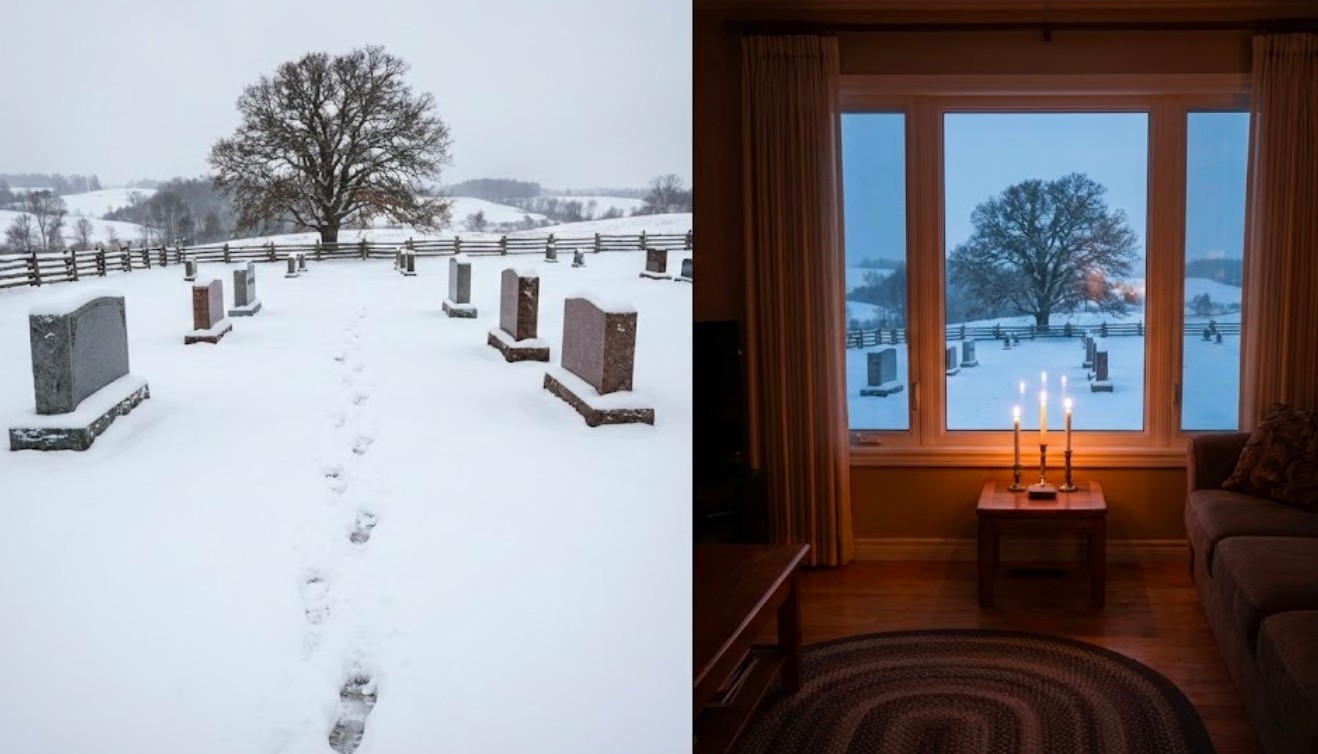
Frozen ground, frost depth, and small equipment stop a lot of rural and municipal cemeteries from opening a full-size grave from mid-December through March or early April. Staff will not risk a cave-in or wrecked machinery. Some townships still write a winter-burial ban into cemetery bylaws.
Larger cemeteries in the GTA, Ottawa, and Hamilton that run heated equipment often do bury year-round if the weather allows. They still reserve the right to say no after an ice storm.
Ask the funeral director, on day one: “Does this cemetery perform winter interments, or do they store until spring?” Get the cemetery’s own answer, not a guess.
If burial waits until spring
The funeral or visitation can still happen on your timetable. The cemetery then places the casket in a receiving vault (older communities called these dead houses or winter chapels) until the ground thaws.
What that means for you:
- There is no graveside lowering in January.
- You plan a short committal in April or May when staff open the grave.
- Some cemeteries require embalming and a sealed casket for months of vault storage. That adds cost and matters to families who wanted a simple, unembalmed burial.
- The cemetery charges a winter storage fee (often a few hundred dollars) plus the later opening-and-closing fee.
Put the spring date in the calendar before everyone scatters. Out-of-town relatives will not guess it.
Cremation and niches as a winter path
Flame cremation and aquamation (hydrolysis, where a licensed facility exists) do not wait on a thaw. A columbarium niche or an indoor mausoleum crypt also does not.
Many families hold the service in January, receive the urn within days, and either keep it at home until a spring burial or place it in a niche immediately. Urn burial in frozen ground is easier than a full grave, but some cemeteries still add a winter surcharge or refuse it after a storm.
If your faith requires burial within 24 hours (many Muslim and Orthodox Jewish families), tell the funeral home immediately. They will look for a cemetery that can open a grave in winter, or for a city with weekend and holiday burial staff. Not every plot can meet that clock in February.
Weather, roads, and who can attend
A lake-effect squall can empty a chapel. Build slack into the plan.
- Pick a date you can move by a day if the 400-series highways close.
- Ask the funeral home for livestreaming. Elderly relatives and anyone driving from the north or from cottage country should not have to choose between ice and guilt.
- Tell guests about parking-lot ice, a long walk from the road, and limited cemetery plowing. Offer a ride list.
- Keep the graveside portion short if you do hold one. Wind chill on an open hill is not a eulogy.
Holidays slow the paperwork
Funeral homes run 24/7. Municipal offices that issue burial or disposition permits, some churches, and many cemetery gates do not.
A death on December 24 can sit until the next business day before anyone can register it and release the person for cremation or burial. Clergy calendars fill with Christmas and New Year services. If your priest or rabbi cannot come, a celebrant or another officiant from the same tradition can still lead a respectful service.
Order extra death certificates early. Banks and insurers will want originals, and ServiceOntario holiday hours are short.
Extra winter costs
The funeral home’s basic professional fee does not jump because it snowed. Cemetery and venue line items often do.
Typical add-ons:
- Winter interment surcharge (some price lists add several hundred dollars; a few small cemeteries double the opening fee)
- Snow clearing to the plot
- Vault or winter-storage fee
- Chapel heating for a building that sat cold all week
- Saturday, Sunday, or statutory-holiday interment premiums
- Embalming required only because of storage
Ask for an itemized contract that flags every winter line. That is a BAO consumer right.
A simple winter checklist
- Call the cemetery about winter burial versus vault storage.
- Decide: bury now, store until spring, cremate, or use a niche.
- Book livestreaming.
- Confirm permit office hours around statutory holidays.
- Ask whether storage requires embalming.
- Set a spring committal date if the grave will wait.
- Warn guests about ice and parking.
- Keep enough cash for the funeral plus any winter cemetery fees. Estate accounts can freeze for weeks.
What “done” looks like in March
You do not owe anyone a perfect graveside in a blizzard. You owe the person a dignified care plan and the family a gathering they can reach.
Hold the service when people can travel. Let the cemetery store the casket if the ground is iron. Come back in the thaw for the lowering. Ontario families have done that for 150 years. The weather is not a failure of the funeral. It is just January.