Multicultural Funerals in Ontario: Honouring Diverse Traditions
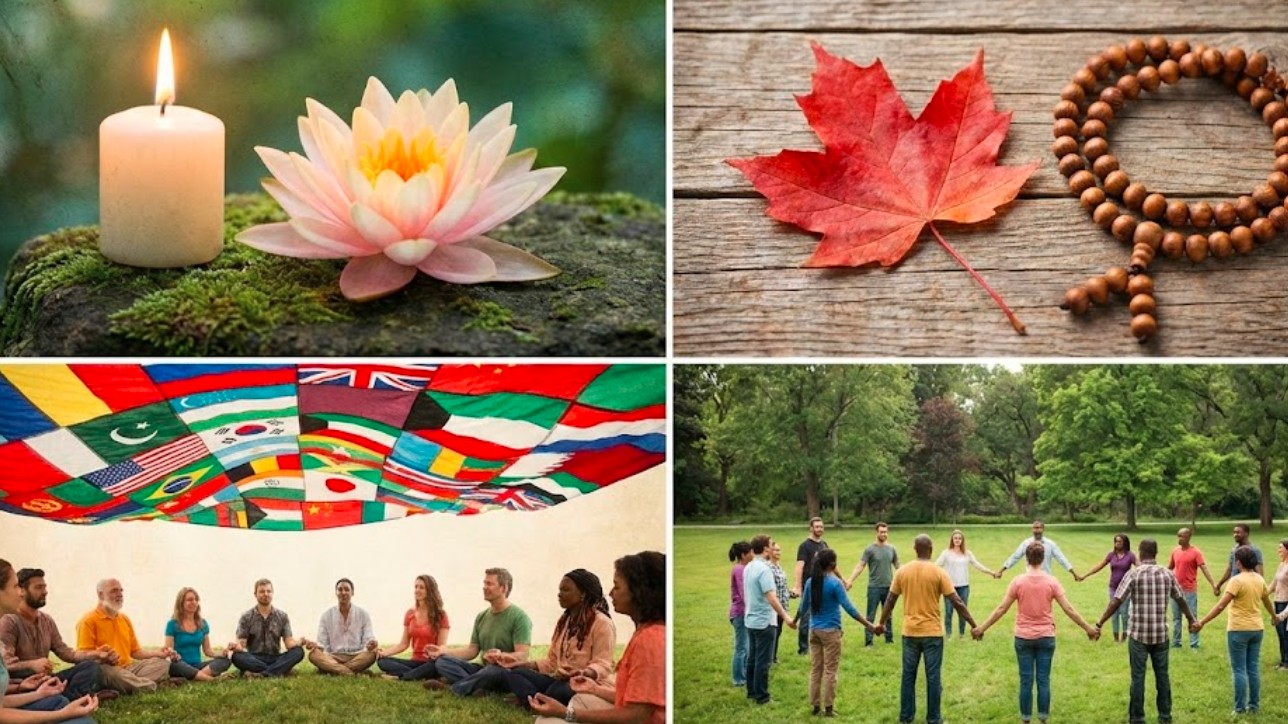
multi culture
Ontario is one of the most culturally mixed places in Canada. That shows up at the funeral as clearly as it does at the dinner table. A service that feels right in Brampton may look nothing like one in Thunder Bay or a Greek parish in Toronto — and that is the point. Families find comfort when they follow what their community already knows how to do.
This guide helps families plan a funeral in Ontario, and it helps relatives attend a tradition that is not their own. It is not a rulebook for any faith. When in doubt, ask the family, an imam, rabbi, granthi, priest, or Elder.
The Bereavement Authority of Ontario (BAO) oversees licensed funeral homes, cemeteries, and crematoriums. Culture is not their job. A good licensed provider can still arrange timing, washing rooms, Qibla-oriented graves, and same-day cremation if you say what you need on the first call.
What Ontario law actually allows
A few rules sit underneath every tradition:
- You need a burial or disposition permit before burial, cremation, or alkaline hydrolysis.
- You must bury a body in a licensed cemetery. You cannot bury a person — or an urn — in a backyard.
- You may scatter cremated remains on unoccupied Crown land (including many provincial parks and Great Lakes waters) if nothing is posted against it; on private land if the owner consents; and on municipal land if local bylaws allow it. Toronto, for example, lets families scatter ashes in city parks and Lake Ontario without a city permit.
- Scatter the ashes. Do not sink the urn, flowers, fruit, or cloth. The BAO asks families to leave containers on shore.
- If a landowner allows repeated scatterings on the same private lot, that owner may have to license the land as a cemetery.
Winter, coroner holds, and weekend registrar hours can delay a 24-hour burial. On day one, ask the funeral home whether they can obtain the permit after hours.
Indigenous funerals: ask the community, do not assume
There is no single “Indigenous funeral.” First Nations, Métis, and Inuit Nations across Ontario hold different languages, medicines, and timelines. Some families want a four-day wake, a sacred fire, drumming, and burial on home territory. Others combine church liturgy with smudging. Some families hold a city wake, then take the person home.
What usually helps:
- An Elder, Knowledge Keeper, or family-appointed lead sets the protocol.
- The funeral home makes space and time for smudging (sage, cedar, sweetgrass, tobacco — as that Nation uses them), song, and a fire where local rules allow.
- Staff do not rush to close the casket if the family wants viewing over several days.
- You choose a funeral home that has done this work before — Thunder Bay, Sudbury, and several northern and urban homes already work with Indigenous staff and Elders.
If you are not Indigenous, watch, follow, and ask before you photograph or step into a circle.
Muslim funerals: speed, simplicity, and the Qibla
Islamic practice generally calls for burial as soon as possible, often within 24 hours. Traditional practice does not include cremation. The family or mosque team washes the body (ghusl), wraps it in a plain shroud (kafan), and buries it on the right side facing Mecca. The community offers a simple graveside prayer (salat al-janazah) instead of a long viewing.
In Ontario you need a provider who can:
- obtain a burial permit quickly, including evenings and weekends
- provide or arrange ritual washing
- work with a cemetery that orients graves to the Qibla
The GTA and Ottawa have dedicated Muslim cemeteries and Muslim sections inside larger properties (including weekend burial). Not every municipal cemetery can do this. Confirm orientation and same-day opening before you commit.
Hindu and Sikh funerals: cremation and flowing water
Hindu antyesti and Sikh antam sanskar both centre on cremation, usually within a day or two. Family members may want to stand present when staff start the cremator. Afterward, families often immerse the ashes (asthi) in flowing water.
Ontario families use:
- designated waterfront sites (the Hindu Federation lists a Pickering Lake Ontario site; Toronto notes Prince of Wales Park in Etobicoke as an accessible shoreline)
- some gurdwara-adjacent creek sites arranged with conservation authorities
- a boat on Lake Ontario
- travel to India when that is the family’s wish
Cremate first, then scatter. Do not leave offerings in the water. A licensed funeral home used to Brampton, Scarborough, Mississauga, and similar timelines will already know how to book a crematorium the same day.
Jewish funerals: burial, not delay
Traditional Jewish practice calls for burial as soon as possible, often before the next sundown, in a simple wooden casket. A chevra kadisha prepares the body. Orthodox practice generally does not include cremation; some Reform families make a different choice — follow the rabbi and the family.
Shiva at home after burial matters as much as the graveside service. Funeral homes near established Jewish cemeteries in Toronto, Ottawa, and Hamilton already work on this clock.
Christian, Orthodox, East Asian, and Caribbean practices
These traditions are common in Ontario, and many families mix them.
- Roman Catholic and many Protestant services: the family holds a vigil or visitation, then a funeral Mass or church service, then burial or cremation. Embalming is a choice, not a legal requirement.
- Greek, Ukrainian, and other Orthodox parishes: the priest sets a liturgical order that may include icons and koliva. The priest will tell the funeral home what the church needs.
- Chinese, Korean, Vietnamese, and other East Asian families may want an extended visitation, paper offerings, a particular calendar date, a columbarium niche, and a later bone- or ash-related rite. Markham, Richmond Hill, and Scarborough homes see this weekly. Confirm fire-code rules before anyone burns offerings indoors.
- Caribbean and African-Canadian homegoings: visitation that feels like a gathering, music, white clothing in some communities, and in some Jamaican families a nine-night. Book a hall that can hold sound and a crowd. The church service and the cemetery may fall on two different days.
Blended and interfaith families
Many Ontario households are Catholic–Muslim, Hindu–Christian, or Indigenous and settler under one roof. You do not have to pick a single script.
What works in practice:
- One officiant from each tradition, with a written order of service so nobody is surprised
- A church or temple service, then a cemetery rite in the other tradition
- Cremation for one side of the family and a memorial plot or niche the other side can visit
- Separate gatherings on consecutive days if one rite cannot be shortened
Put the plan in writing. Grief is a poor time to negotiate liturgy in the parking lot.
How to choose a funeral home that can actually do this
Ask, specifically:
- Can you obtain a disposition permit after 5 p.m. or on Sunday?
- Do you have a washing room, or a relationship with the mosque / chevra kadisha / gurdwara?
- Which cemeteries here have a Muslim section, a Jewish section, or natural burial?
- Can family start the cremator?
- Can we smudge or keep a sacred fire on site — and what does the fire code say?
- Can the visitation run late, with food and music?
- What is the itemized price before extras?
Get everything in a written contract. That is a BAO consumer right, not a cultural courtesy.
A short note for guests
If you attend a funeral that is not your tradition, wear what the family asks, stand when others stand, skip photos unless someone invites them, and do not correct the ritual. Showing up and staying quiet is almost always enough.
Ontario’s funeral law is the same for every family. The meaning is not. Your job is to find a licensed provider who will make room for both.