Ontario Estate Administration Tax in 2026: The 1.5% Probate Fee Explained
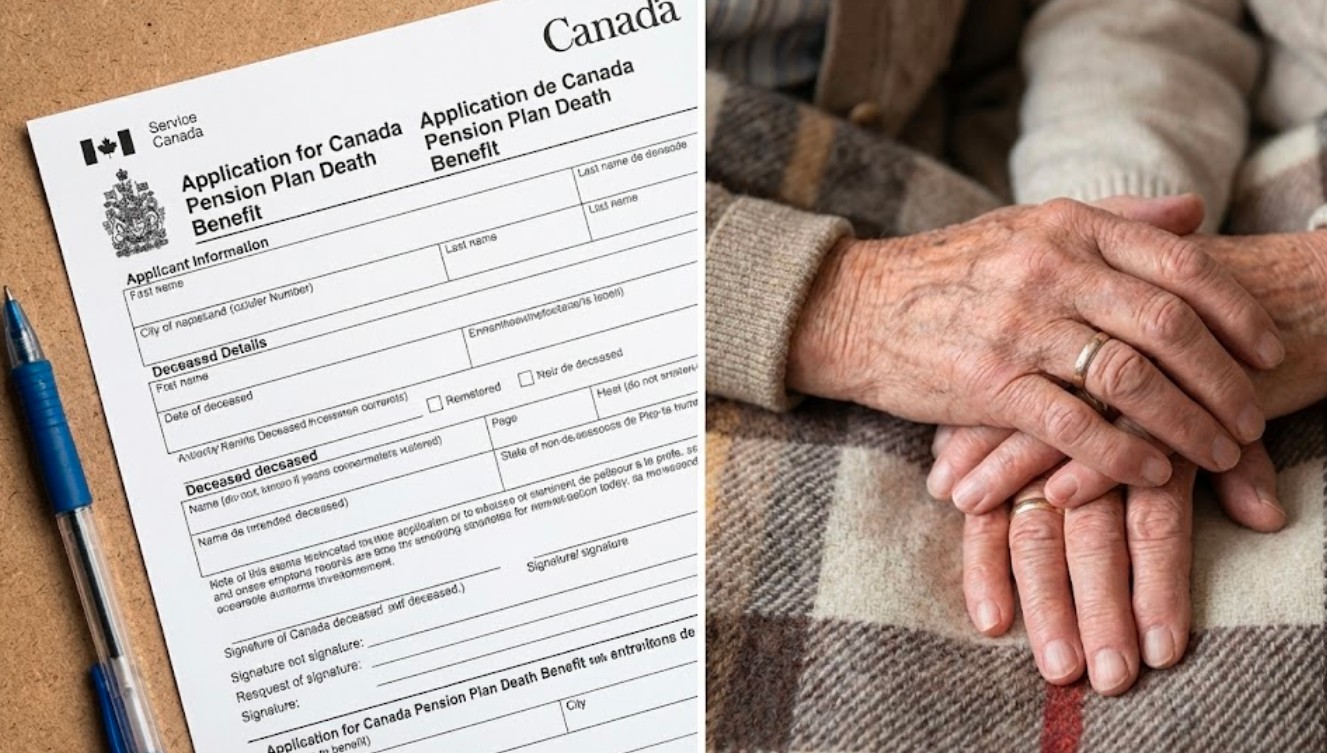
CPP Death Benefit
Canada does not levy an inheritance tax. Beneficiaries do not pay income tax just because they inherit cash or a house. Ontario still charges a fee when the court validates a will and gives the estate trustee authority to act.
That fee is the Estate Administration Tax (EAT). Most people call it probate. If you are settling an estate in Ontario in 2026 — or writing a will so your family can — this is the math.
This article is general information, not legal or tax advice. A lawyer should review any plan that uses joint ownership, multiple wills, or large registered accounts.
The 2026 rate: $0, then 1.5%
For a certificate requested on or after January 1, 2020 (still current in 2026):
- First $50,000 of estate value: $0
- Every $1,000 above $50,000 (or part of $1,000): $15 — that is 1.5%
Ontario rounds the estate value up to the nearest $1,000. An estate worth $239,250 is taxed as $240,000.
Formula:
(Estate value rounded up − $50,000) × 1.5% = tax payable
| Estate value (after rounding) | Tax |
|---|---|
| $50,000 or less | $0 |
| $150,000 | $1,500 |
| $250,000 | $3,000 |
| $500,000 | $6,750 |
| $750,000 | $10,500 |
| $1,000,000 | $14,250 |
| $2,000,000 | $29,250 |
A $1 million house that sits in one person’s name alone can generate a $14,250 cheque before the court issues the Certificate of Appointment of Estate Trustee. The estate pays that bill, not the beneficiaries personally — but the estate needs cash to do it.
Small estates: simpler process, not a free pass
Since April 1, 2021, estates valued at $150,000 or less can use a Small Estate Certificate (Form 74.1A). The court paperwork is shorter and often faster.
That is not a tax holiday.
- $50,000 or less: no Estate Administration Tax
- $50,001 to $150,000: you still pay 1.5% on the amount over $50,000
- You still file an Estate Information Return if the court issues a certificate
Do not treat “under $150,000” as “no probate.” Many banks still want a certificate before they release a sole-owned account.
What goes into the estate value
Ontario taxes the assets that the certificate covers — generally property that the will (or intestacy) must unlock.
Usually included
- Ontario real estate in the deceased’s name alone, using date-of-death value, minus a registered mortgage or lien
- Sole bank accounts, including foreign bank accounts
- Non-registered investments
- RRSPs, RRIFs, TFSAs, and similar plans with no living named beneficiary (or with “estate” as beneficiary)
- Vehicles and vessels, in or outside Ontario
- Business shares and other personal property
- Insurance payable to the estate
Usually left out
- Real estate outside Ontario
- Property held as joint tenants with right of survivorship that passes to the survivor
- RRSPs, RRIFs, TFSAs, and life insurance with a named person as beneficiary
- The CPP death benefit
Unsecured debts (credit cards, personal loans) generally do not reduce the value for this tax. A mortgage on an Ontario property does.
Use the value on the date of death. If the house later sells for more or less, that sale price does not rewrite the tax base.
Joint accounts and adult children: a trap
A house or chequing account that two spouses hold as joint tenants usually passes to the survivor and stays out of probate. That is common and often intended.
Adding an adult child’s name “for convenience” is different. Ontario law may treat that child as holding the asset in trust for the estate, unless there is clear evidence of a gift. In that case the asset can still sit in the probate calculation — and it can expose the parent’s money to the child’s creditors. Get advice before you put a child’s name on title just to dodge the 1.5%.
You pay first, then you file
The court will not issue the certificate until the estate deposits the estimated tax with the Minister of Finance.
Within 180 calendar days after the certificate is issued, the estate trustee must file an Estate Information Return with the Ministry of Finance. That deadline runs from the certificate date, not the date of death. File even if the estate is $50,000 or less and the tax is $0.
File on time. A late or missing return can leave the estate open to audit with no four-year cap, and the Ministry can assess extra tax and penalties if you undervalued assets.
You can file the return online through Ontario Ministry of Finance services, or by mail.
Why this matters at a funeral
Funeral homes, cemeteries, and many banks will take payment from the estate, but they cannot wait months for a sale. The 1.5% bill plus funeral costs often land before anyone can list the house.
Practical steps:
- List which assets need a certificate and which already have a living beneficiary.
- Keep enough cash or a joint account so the family can pay the funeral and the tax deposit.
- Name people (not “estate”) on TFSAs, RRSPs/RRIFs, and life insurance if that matches the will.
- Ask an estates lawyer whether a secondary will for private-company shares or other assets that institutions will accept without probate makes sense. That is a drafted legal structure, not a form you download.
- Review designations after a marriage, divorce, or death. An old “estate” designation puts the whole RRSP back into the tax base.
The 1.5% is not the only tax
Estate Administration Tax is a provincial fee on probate. Separately, the CRA can treat capital property and many registered plans as sold on death. A large RRSP or RRIF with no spouse rollover can create a much bigger income-tax bill than the 1.5%. Plan for both.
Bottom line
Ontario still takes $15 per $1,000 above $50,000 when you ask the court for authority over the estate. The first $50,000 is free of this tax. Joint title and named beneficiaries can keep assets out of the calculation. A Small Estate Certificate speeds the paperwork under $150,000; it does not erase the 1.5% on the slice above $50,000.
Know the number before you need the certificate. That is how families keep enough cash for the funeral, the tax deposit, and the months before the house sells.
Official calculator and rules: ontario.ca/page/estate-administration-tax.