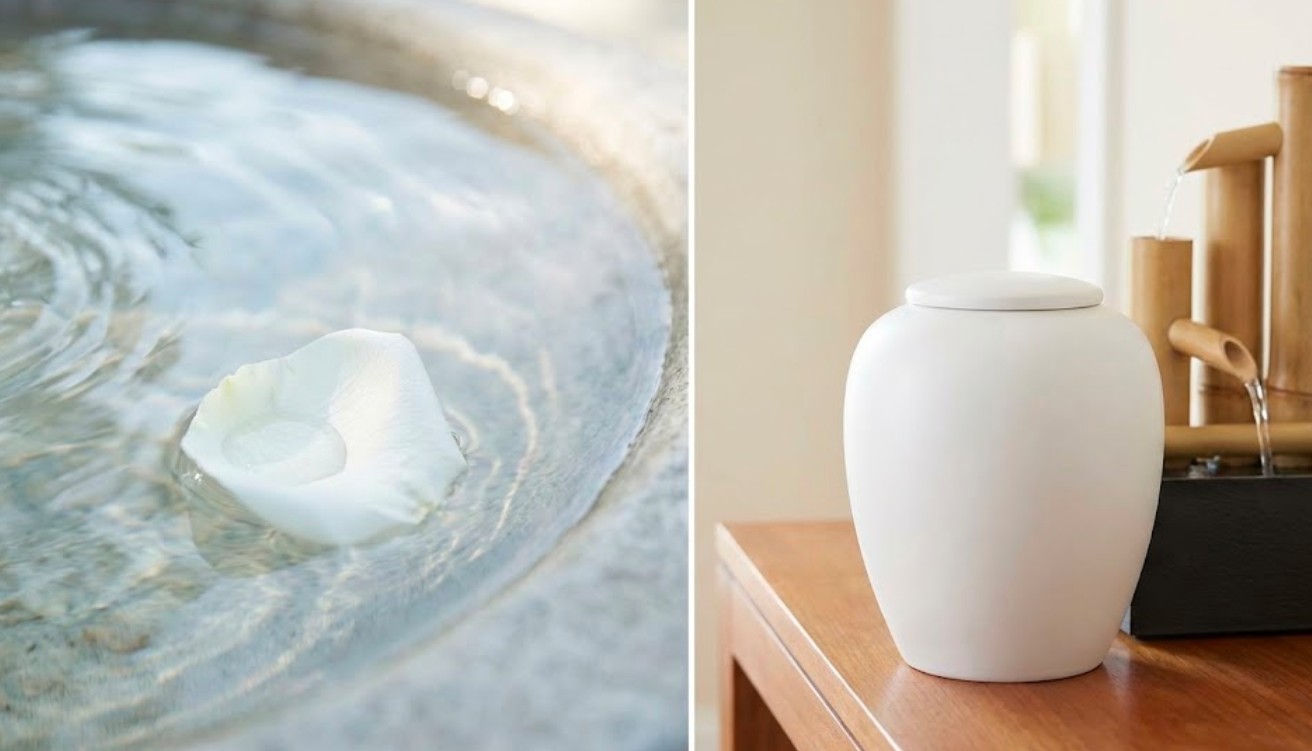
For decades, Canadians have generally had two choices: traditional casket burial or flame-based cremation. But in recent years, a third option has emerged that is steadily gaining popularity for being gentler and more environmentally friendly.
It’s technically called Alkaline Hydrolysis, but you will more commonly hear it referred to as Aquamation, bio-cremation, or water cremation.
If you are looking for an alternative to fire but still want the flexibility of cremation, here is what you need to know about this modern process.
1. How Does It Work?
Unlike traditional cremation, which uses intense heat and fire to reduce the body to bone fragments, Aquamation uses water.
The deceased is placed in a stainless steel vessel. The vessel is filled with a solution of 95% warm water and 5% alkali (potassium hydroxide). Over a few hours, the combination of gentle heat, pressure, and the alkaline solution accelerates the natural breakdown of the body’s soft tissues—essentially mimicking the process that would happen in the earth over decades, but in a matter of hours.
2. What is Left at the End?
Just like flame cremation, the end result is bone fragments. These are dried and processed into a fine powder, which is returned to the family in an urn.
- The difference: The “ashes” from Aquamation are typically whiter in colour and finer in texture than those from flame cremation. Because the process is gentler, families often receive about 20-30% more remains by volume.
- Safety: The remaining water solution is completely sterile and safe. It contains no DNA or harmful chemicals and is treated before being released into the municipal water system, just like water from hospitals or embalming rooms.
3. Why Are Canadians Choosing It?
The primary driver for Aquamation is its environmental benefit.
- Lower Energy Use: It uses significantly less energy than a traditional crematorium retort, which must burn at over 800°C (1400°F).
- Zero Emissions: There is no smoke, mercury emissions from dental fillings, or greenhouse gases released into the atmosphere during the process.
- A “Gentler” Goodbye: Many families find comfort in the idea of using water rather than fire for their loved one’s final disposition.
4. Is It Legal in Canada?
Yes, but accessibility varies by location. As of late 2025, regulation of funeral services is provincial. Aquamation is currently approved and available in several provinces, including:
- Ontario
- Saskatchewan
- Quebec
- Newfoundland and Labrador
- (Note: Other provinces, like BC and Alberta, are currently reviewing regulations, so check local listings for the most up-to-date information).
5. What About the Cost?
Generally speaking, Aquamation is slightly more expensive than a basic flame cremation but significantly cheaper than a traditional full-casket burial. The price difference usually reflects the specialized equipment and the longer time the process takes compared to flame cremation.
Summary
Aquamation offers a modern choice for families who prioritize environmental sustainability or simply prefer a water-based process over fire. As more provinces approve the technology, it is rapidly becoming a mainstream option alongside burial and traditional cremation.
Leave a Reply